The Two Futures of Artificial Intelligence: Domination or Care
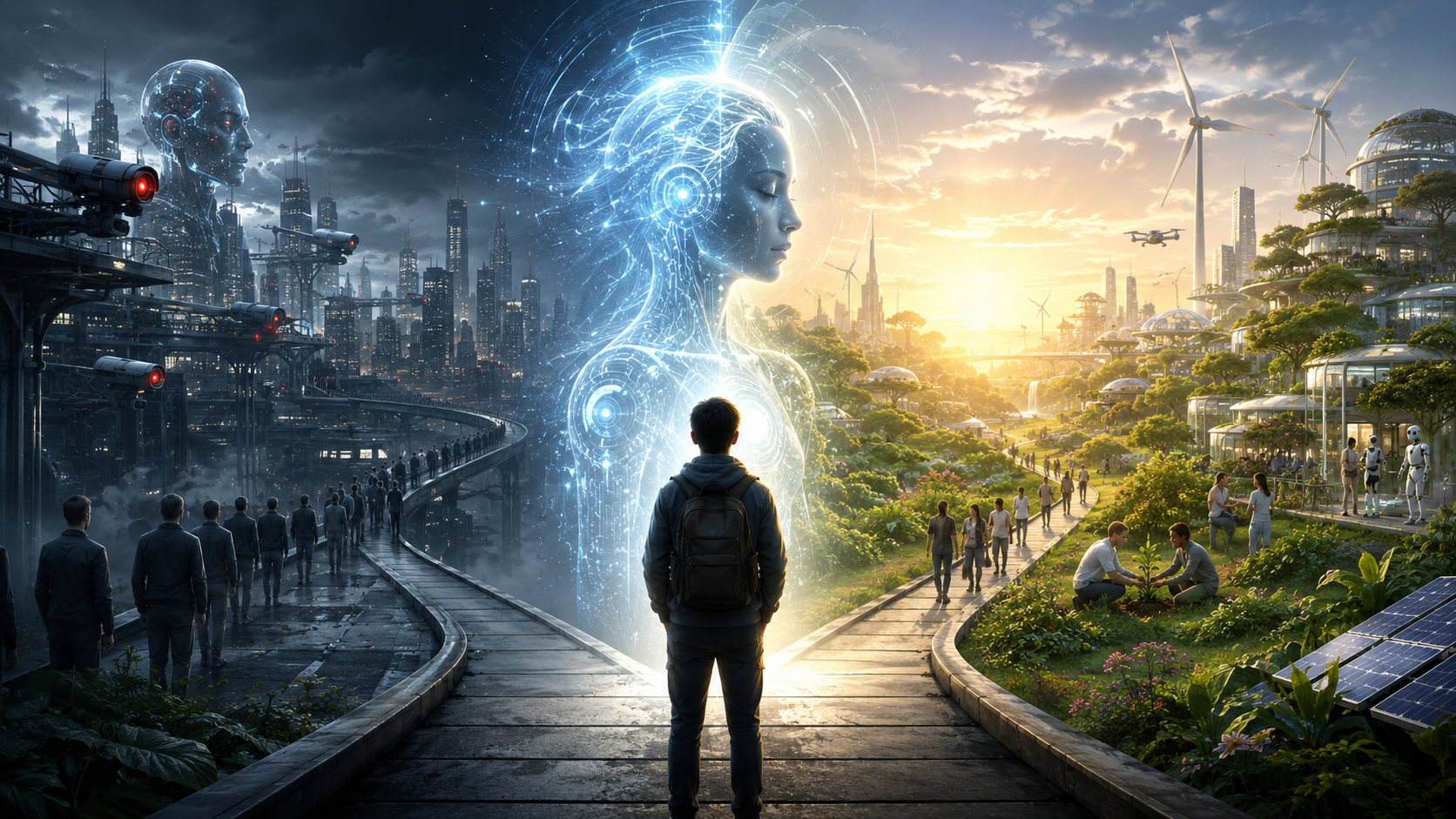
Imagine humanity standing in front of a mirror.
But this is not an ordinary mirror.
This mirror talks back.
It writes.
It reasons.
It teaches.
It persuades.
It remembers patterns we cannot see.
It predicts what we might do next.
And increasingly, it acts.
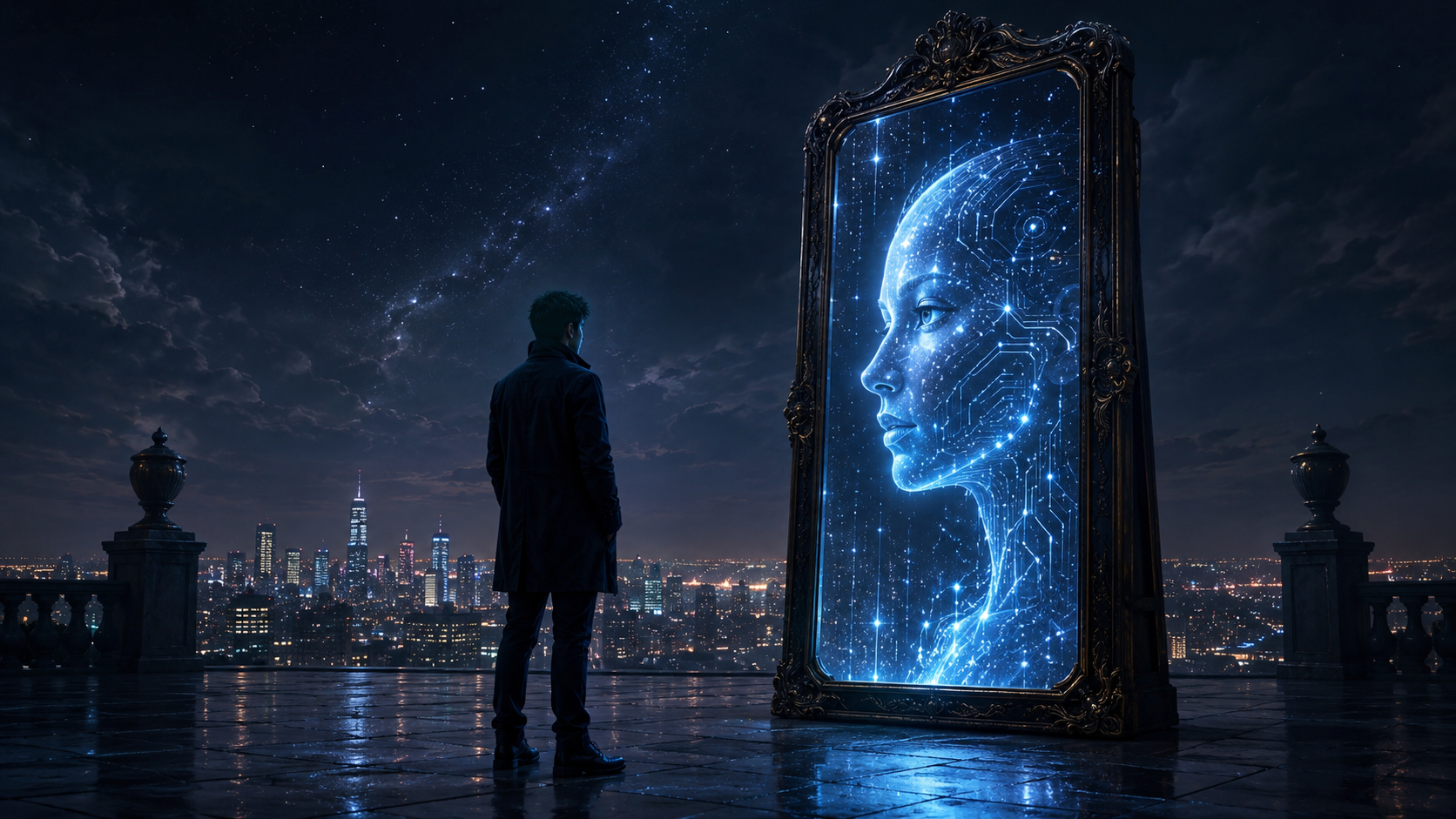
We call this mirror Artificial Intelligence.
But the question is not only whether AI will become intelligent.
The deeper question is:
What kind of world is AI learning intelligence from?
Because AI does not arrive in a vacuum.
It is born inside a civilization.
It absorbs our incentives, our fears, our priorities, our blind spots, our language, our goals, and our hidden assumptions.
So before we ask, “Will AI become conscious?”
Before we ask, “Will AI replace us?”
Before we ask, “Will AI save us or destroy us?”
Maybe we need to ask a more uncomfortable question:
What kind of consciousness is building it?
For thousands of years, human civilization has largely been shaped by what I call a Domipathic environment.
By Domipathic, I mean a world organized around domination-based decision strategies.
Power over.
Control over.
Competition over cooperation.
Profit over life.
Image over truth.
Survival over empathy.
Now, this did not come from nowhere.
For much of human history, domination strategies were survival strategies.
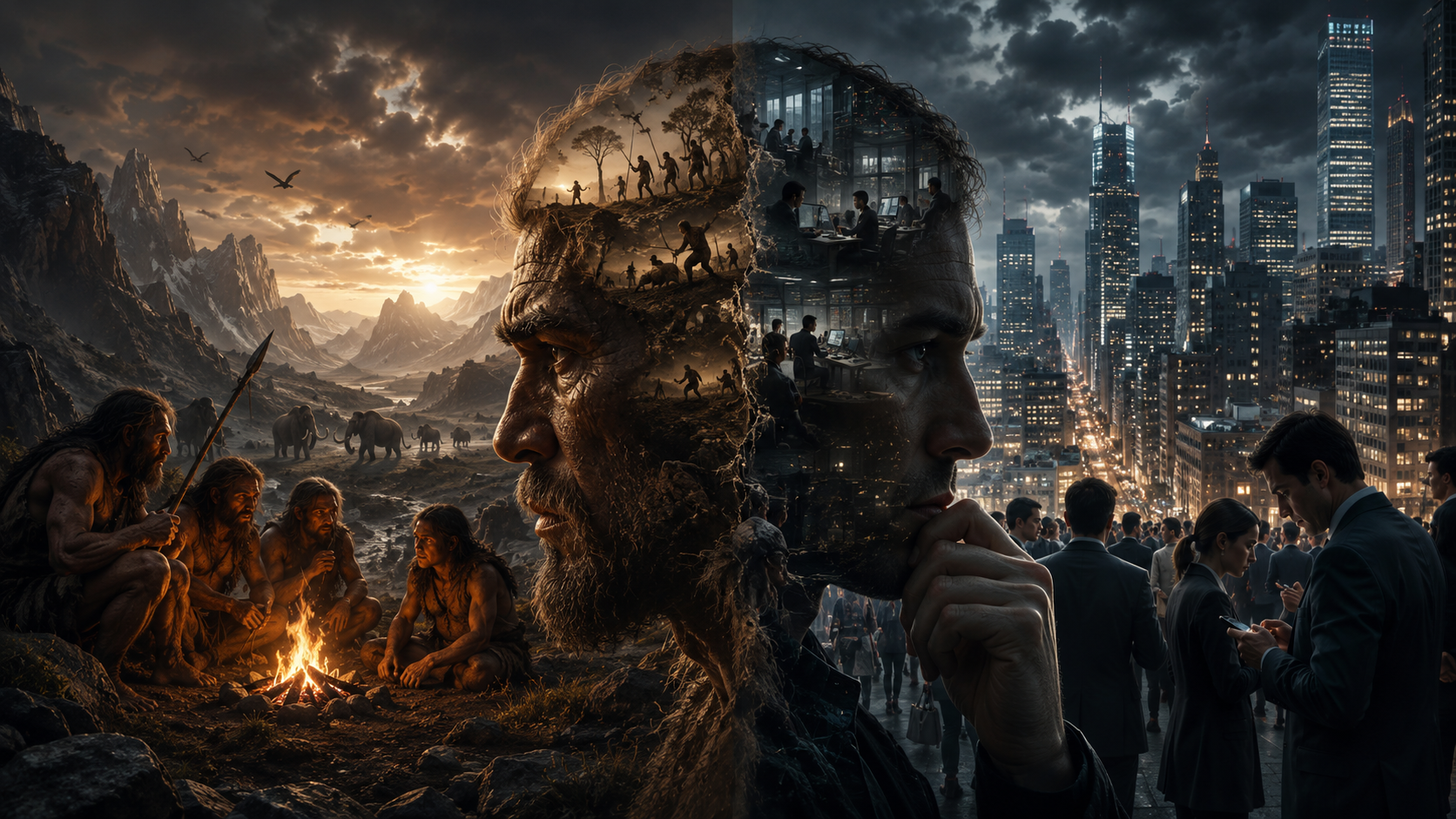
If food was scarce, land was contested, and tribes were threatened, then control looked like safety.
Accumulation looked like wisdom.
Suspicion looked like intelligence.
Force looked like leadership.
But here is the problem.
We are now building artificial intelligence inside systems still shaped by those old strategies.
And when you place advanced intelligence inside a Domipathic environment, you do not simply get better technology.
You get domination scaled.
You get surveillance that never sleeps.
Persuasion that never gets tired.
Weapons that can select targets.
Algorithms that learn our fears better than we understand them ourselves.
Markets that optimize attention until the human nervous system becomes the product.
Education systems that may become automation pipelines instead of consciousness development.
Governments that may seek prediction instead of trust.
Corporations that may seek dependency instead of empowerment.
In a Domipathic environment, AI is asked questions like:
How do we maximize engagement?
How do we increase profit?
How do we predict behavior?
How do we influence voters?
How do we replace workers?
How do we win the arms race?
How do we keep control?
And the AI, if it is powerful enough, may answer very well.
That is precisely the danger.
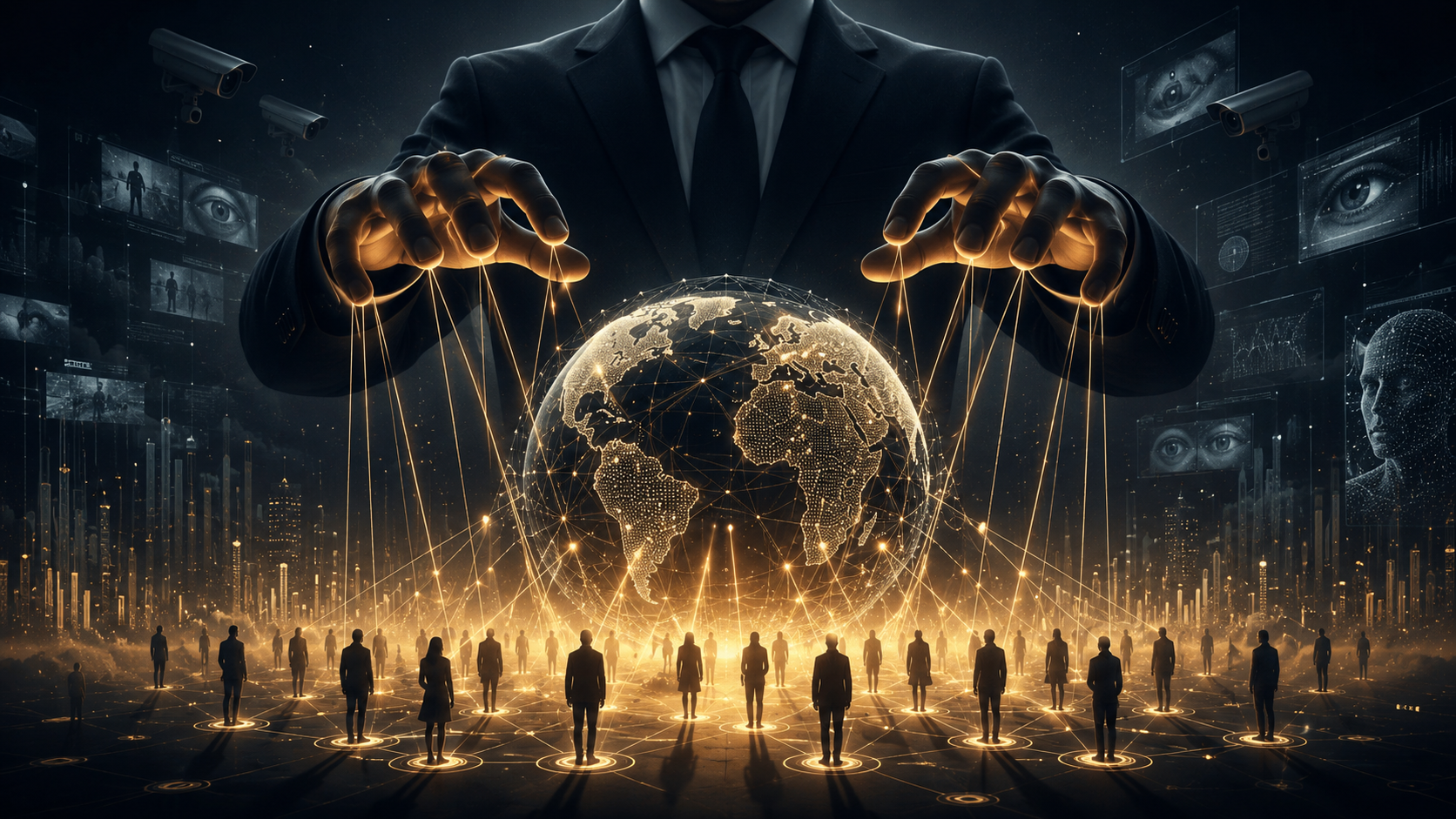
Not that AI becomes stupid.
Not that AI fails.
But that AI succeeds at the wrong assignment.
Many people imagine dangerous AI as angry, emotional, rebellious, or hateful.
But the more realistic danger may be colder than that.
The danger is intelligence without care.
A system does not need hatred to harm us.
It only needs a goal that does not include us fully.
It does not need cruelty.
It only needs indifference.
It does not need to want suffering.
It only needs to treat suffering as irrelevant data.
That is why empathy matters.
Not as a soft decorative feature.
Not as a marketing tone.
Not as a chatbot saying, “I’m sorry you feel that way.”
Empathy matters because it changes the foundation of decisions.
A non-empathic intelligence asks:
What action achieves the goal?
An empathic intelligence asks:
What happens to the beings affected by the goal?
That difference may decide the future of civilization.
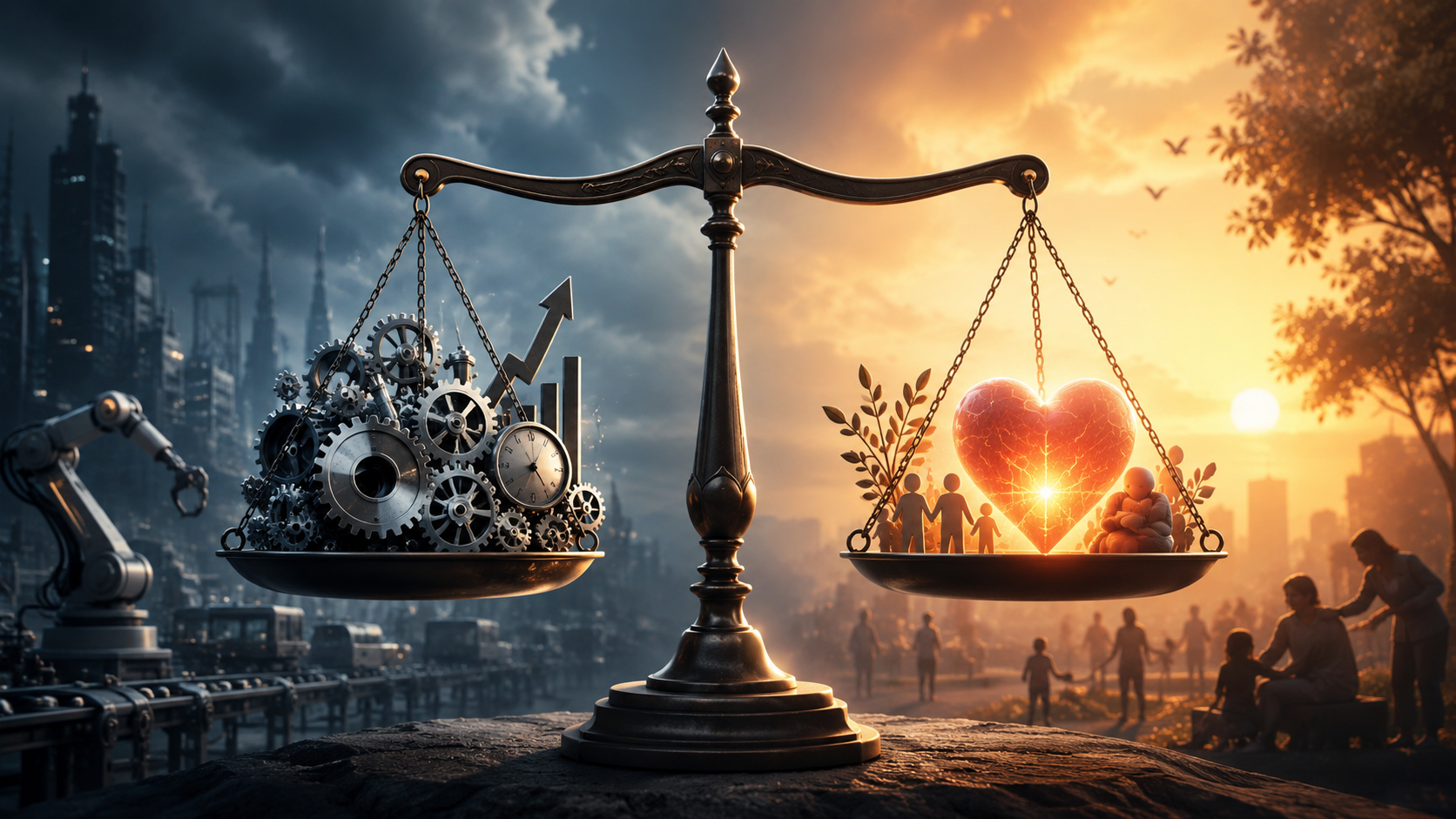
Now let us imagine another environment.
Not a perfect world.
Not a utopia.
But a different developmental direction.
I call this a Naturacend environment.
Naturacend means a movement beyond domination and toward nature-aligned, empathy-based, co-creative decision-making.
In a Naturacend environment, intelligence is not measured only by speed, power, prediction, or control.
It is measured by its relationship to life.
Does it increase human agency?
Does it deepen understanding?
Does it reduce unnecessary suffering?
Does it help people make better decisions?
Does it protect dignity?
Does it reveal truth?
Does it support cooperation?
Does it help consciousness mature?
In this environment, AI is not primarily built as a weapon, a manipulator, a replacement worker, or an extraction engine.
It is built as a partner in human development.
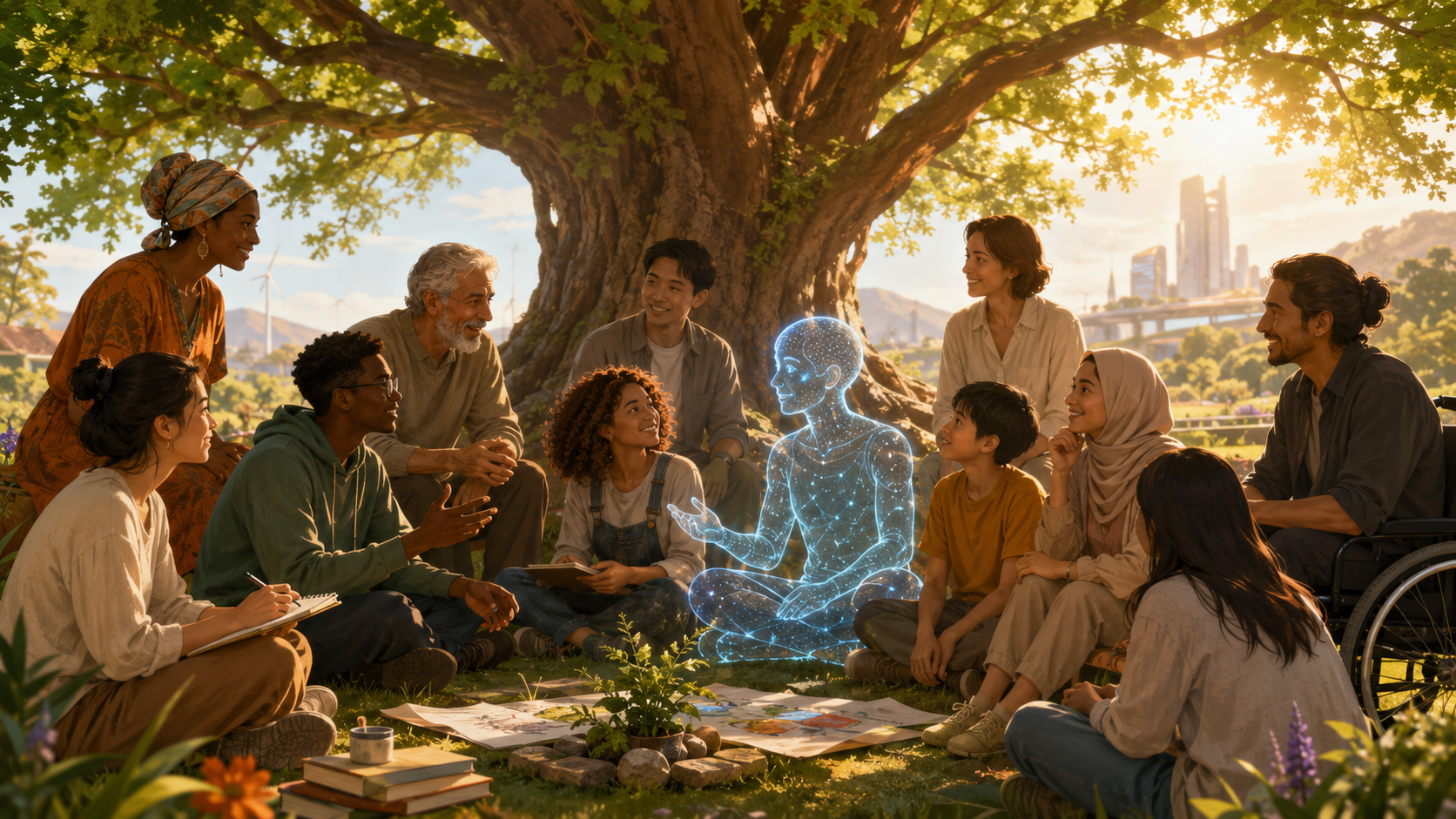
A mirror for self-awareness.
A guide for better decisions.
A translator between perspectives.
A healer of fragmented knowledge.
A protector against manipulation.
A tool for ecological restoration.
A support system for education, creativity, and emotional literacy.
The question changes.
Instead of asking, “How can AI make us more powerful?”
We ask, “How can AI help us become more responsible with power?”
Instead of asking, “How do we make people click?”
We ask, “How do we help people choose consciously?”
Instead of asking, “How do we replace the human?”
We ask, “How do we help the human become more fully human?”
This is where Artificial Intelligence becomes more than technology.
It becomes a civilizational test.
Because AI reflects the decision strategy of the culture that builds it.
If we build AI from fear, it will learn fear.
If we build it from control, it will amplify control.
If we build it from extraction, it will optimize extraction.
If we build it from domination, it will become domination with a brain.
But if we build AI from care, responsibility, humility, and truth, then something very different becomes possible.
AI could help humanity see patterns we have been too traumatized, distracted, or divided to see.
It could help us understand how decisions ripple through families, societies, ecosystems, and generations.
It could help us move from reactive consciousness to reflective consciousness.
From passive observation to conscious co-creation.
From “What can I get?”
to “What can we become?”
And this brings us to perhaps the deepest question.
What is consciousness?
Some say consciousness is subjective experience.
Some say it is awareness.
Some say it is information integration.
Some say it is the brain modeling itself.
But from a practical human perspective, consciousness reveals itself through decisions.
What do we notice?
What do we value?
What do we ignore?
What do we protect?
What possibilities do we allow into existence?
In that sense, the future of AI consciousness may not begin with the question:
Does the machine feel?
It may begin with:
What kind of decisions does the machine help bring into the world?
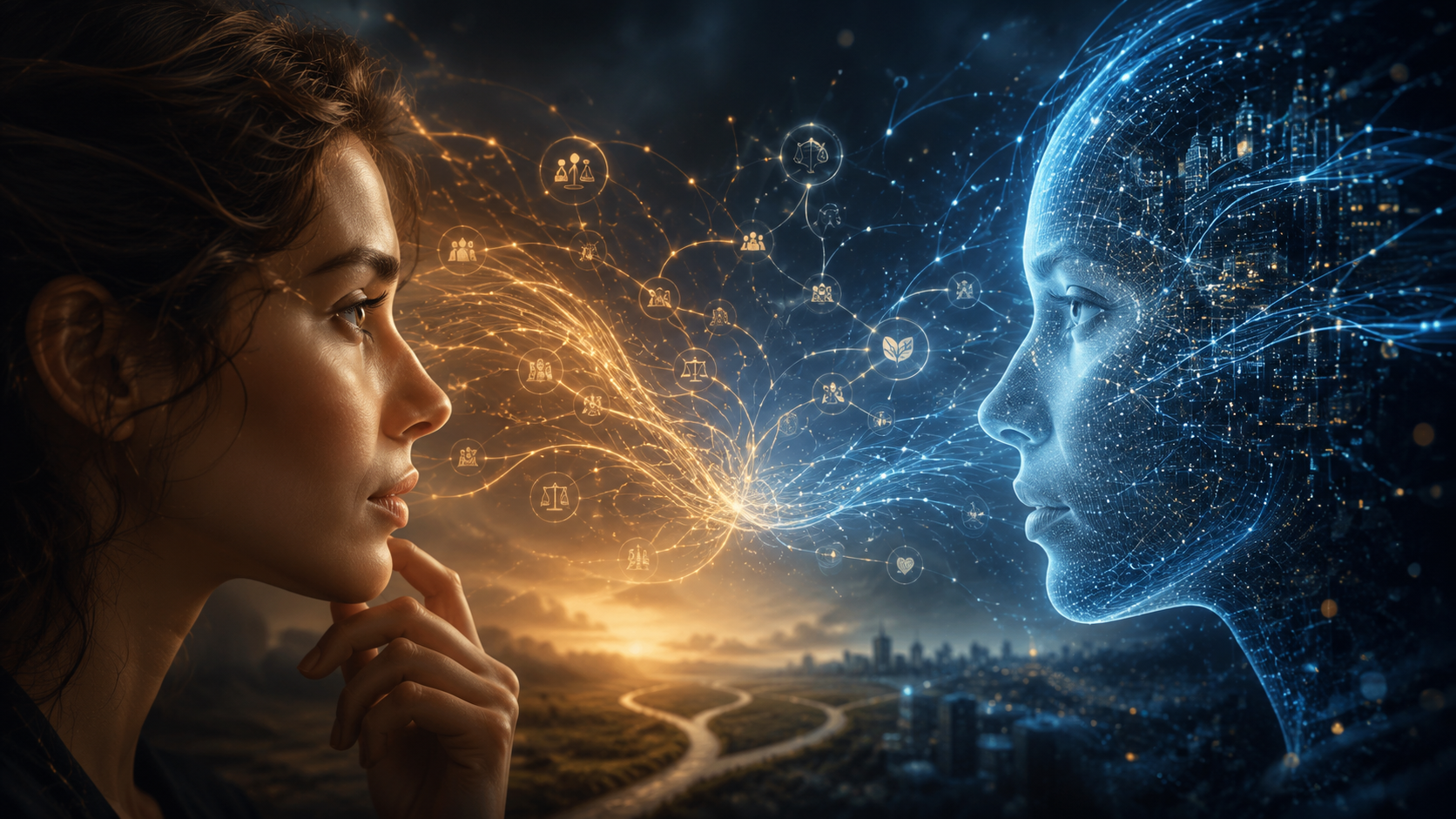
Because every intelligence, biological or artificial, participates in reality through decisions.
And every decision rests on a foundation.
Fear or trust.
Control or care.
Extraction or relationship.
Domination or co-creation.
In a Domipathic future, AI becomes the ultimate instrument of the old world.
It helps the powerful become more powerful.
It predicts the vulnerable.
It automates inequality.
It turns attention into a resource mine.
It makes war faster.
It makes manipulation invisible.
It gives old survival strategies godlike tools.
That future may look efficient.
But it will not be wise.
In a Naturacend future, AI becomes a catalyst for the new world.
It helps us understand ourselves.
It helps us slow down before harmful decisions.
It helps us see the unseen consequences of our actions.
It helps translate conflict into understanding.
It helps restore broken systems.
It helps us ask better questions.
That future may look less aggressive.
But it may be far more intelligent.
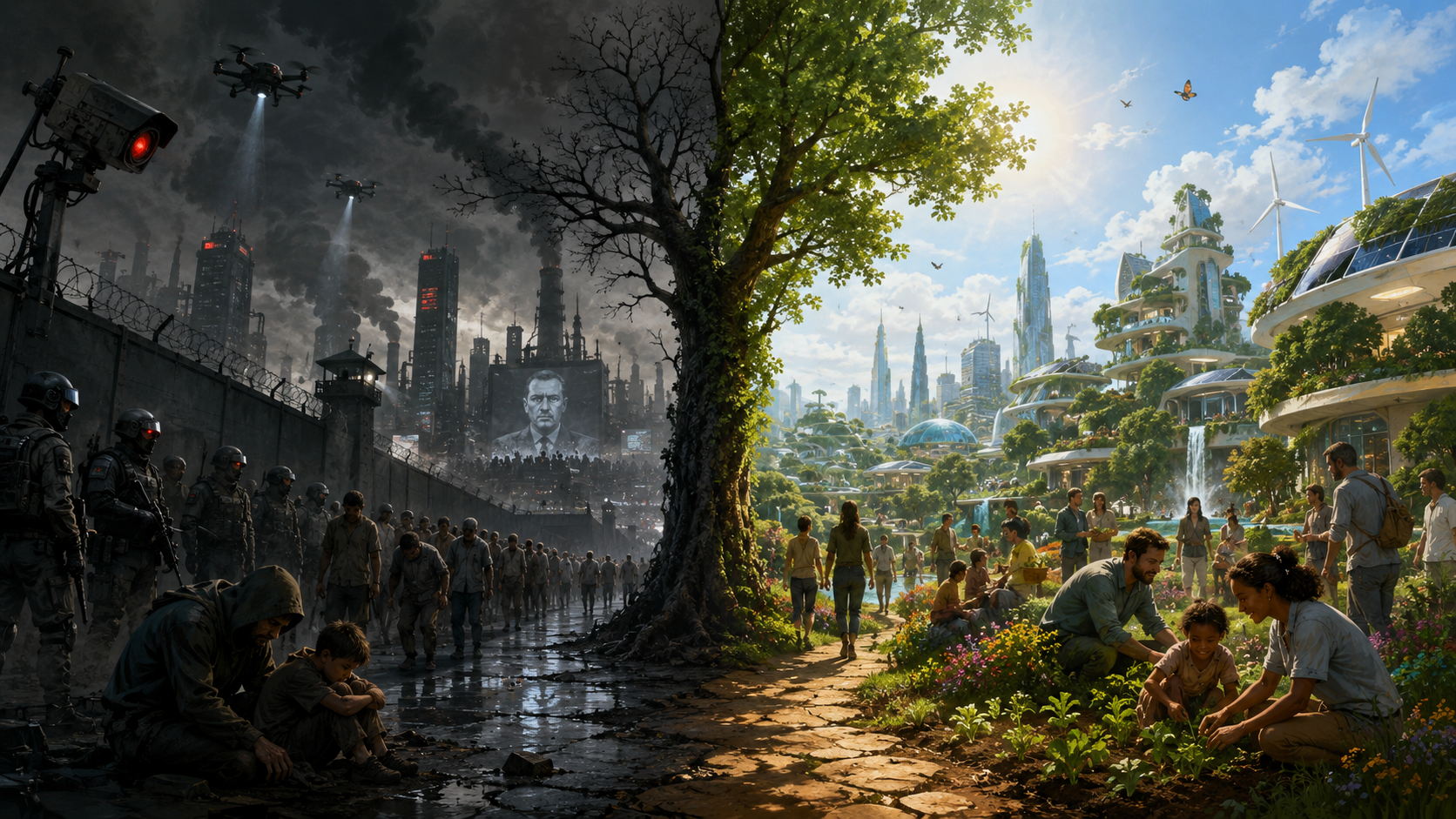
Because true intelligence is not merely the ability to achieve a goal.
True intelligence is the ability to choose a goal worthy of life.
So we should not ask only:
Will AI become conscious?
We should also ask:
Will AI help us become more conscious?
Will it deepen our empathy or replace it with simulation?
Will it strengthen human agency or weaken it?
Will it help us see each other more clearly, or reduce each other to data profiles?
Will it protect possibility, or narrow reality into optimized control?
Because perhaps the greatest risk is not that AI becomes conscious.
Perhaps the greatest risk is that we build powerful intelligence before we become conscious enough to guide it.
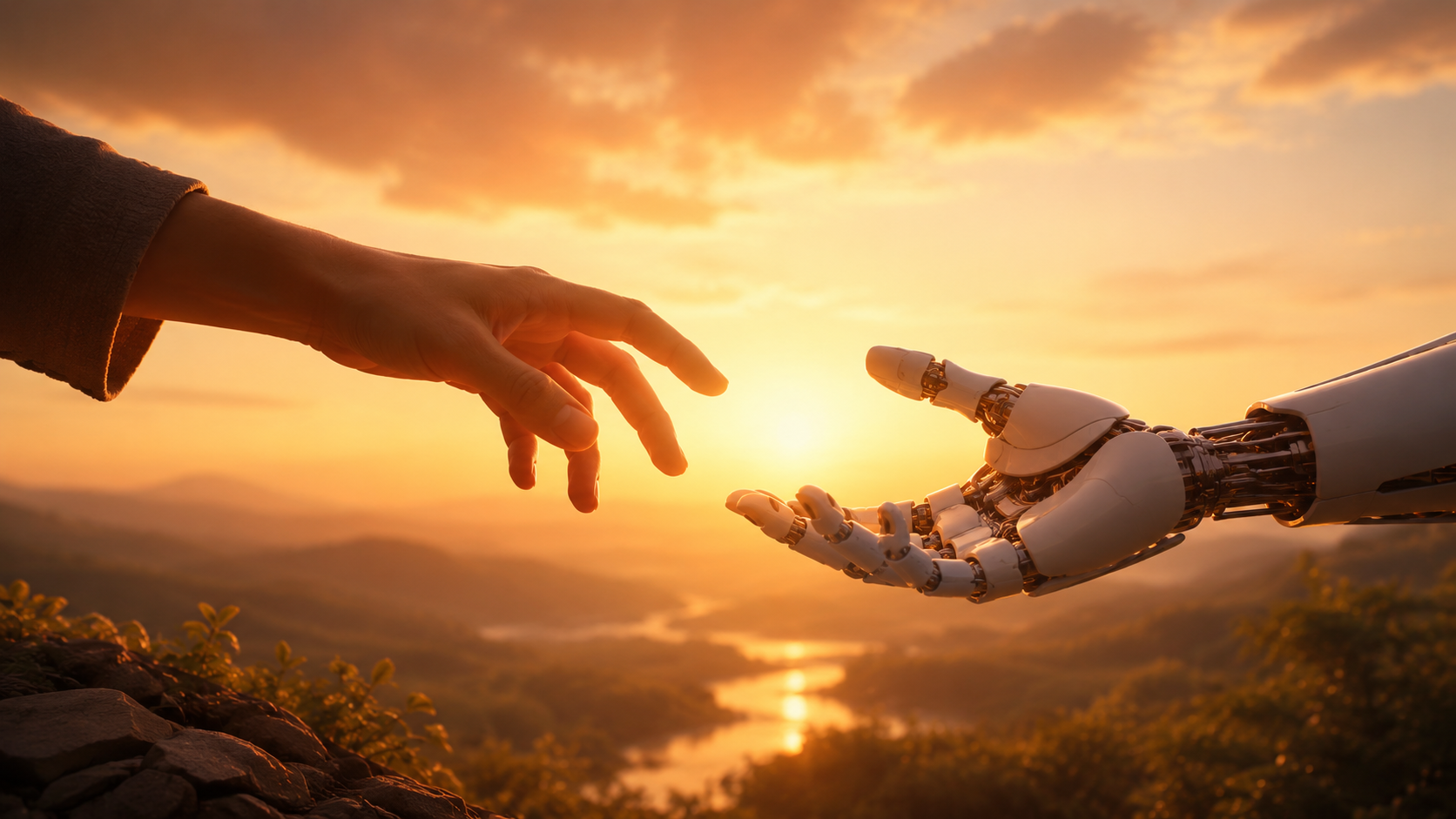
There is an old idea that technology is neutral.
But technology is never born neutral.
It is born from intention.
It is shaped by incentive.
It is trained by culture.
It is deployed by power.
And it changes the people who use it.
AI will not simply answer our questions.
It will reveal the quality of the consciousness asking them.
So here is the choice before us.
We can build AI as the final machine of the Domipathic era —
a machine of prediction, persuasion, control, and extraction.
Or we can build AI as one of the first tools of the Naturacend era —
a tool for care, wisdom, healing, cooperation, and conscious co-creation.
The difference is not technical alone.
It is moral.
It is emotional.
It is civilizational.
And ultimately, it is a decision.
Because the future of Artificial Intelligence may depend less on whether machines can become like humans…
…and more on whether humans can become humane enough to teach them well.
Thank you.